Specialists in built heritage planning and adaptive reuse
Heritas is led by registered architects with post-graduate qualifications in heritage conservation, bringing a depth of expertise across both architecture and heritage practice. The firm has extensive experience working with local councils, state agencies, developers, institutions and private clients on a wide range of heritage-listed places across New South Wales. This combined capability enables Heritas to deliver considered, technically rigorous outcomes that balance conservation requirements with the practical demands of ongoing use and change.




Heritage Strategy
Effective heritage management begins with a clear understanding of cultural significance and the obligations that flow from it. Heritage strategy services provide the foundational assessments and management frameworks needed to guide decision-making, inform design, and establish a clear basis for future works. Engaging with heritage requirements early helps reduce project risk, minimise uncertainty, identify opportunities and constraints, and ensure that developments proceed on a well-informed and considered basis.
-
A heritage assessment investigates a place under historic, social, aesthetic and technical values. Combined with the existing physical fabric, its rarity and ability to represent its type, the assessment determines a level of cultural heritage significance for the place. A heritage assessment will also often include an assessment of heritage curtilage (the physical area of the place which defines its significance).
-
A Conservation Management Plan (CMP) is a document that guides the future management of a heritage place in order to maintain and enhance its cultural heritage significance. Typically, the document includes a history of the place and an analysis of the existing physical evidence, then uses this information to assess the significance of the place. Based on the assessed significance, obligations and opportunities are investigated, and a conservation plan is formulated.
Broad conservation policies are supported by specific guidelines and strategies for implementation. Some places also warrant the inclusion of landscape analysis, archaeological assessment, or other specialist input.
A Heritage Asset Action Plan (HAAP) is a concise targeted document that addresses a specific heritage issue, building element or management risk.
-
Understanding heritage requirements early can save significant time, cost, and uncertainty later in a project. A Heritage Considerations Assessment identifies the opportunities, constraints, and approval requirements affecting a heritage place. Prepared at the outset of the design process, the assessment provides clear guidance on heritage requirements, helping to inform project planning, reduce approval risks, and avoid unnecessary redesigns. This enables informed decision-making from the earliest stages of a project and establishes a clear pathway for future development.
Conservation Architecture
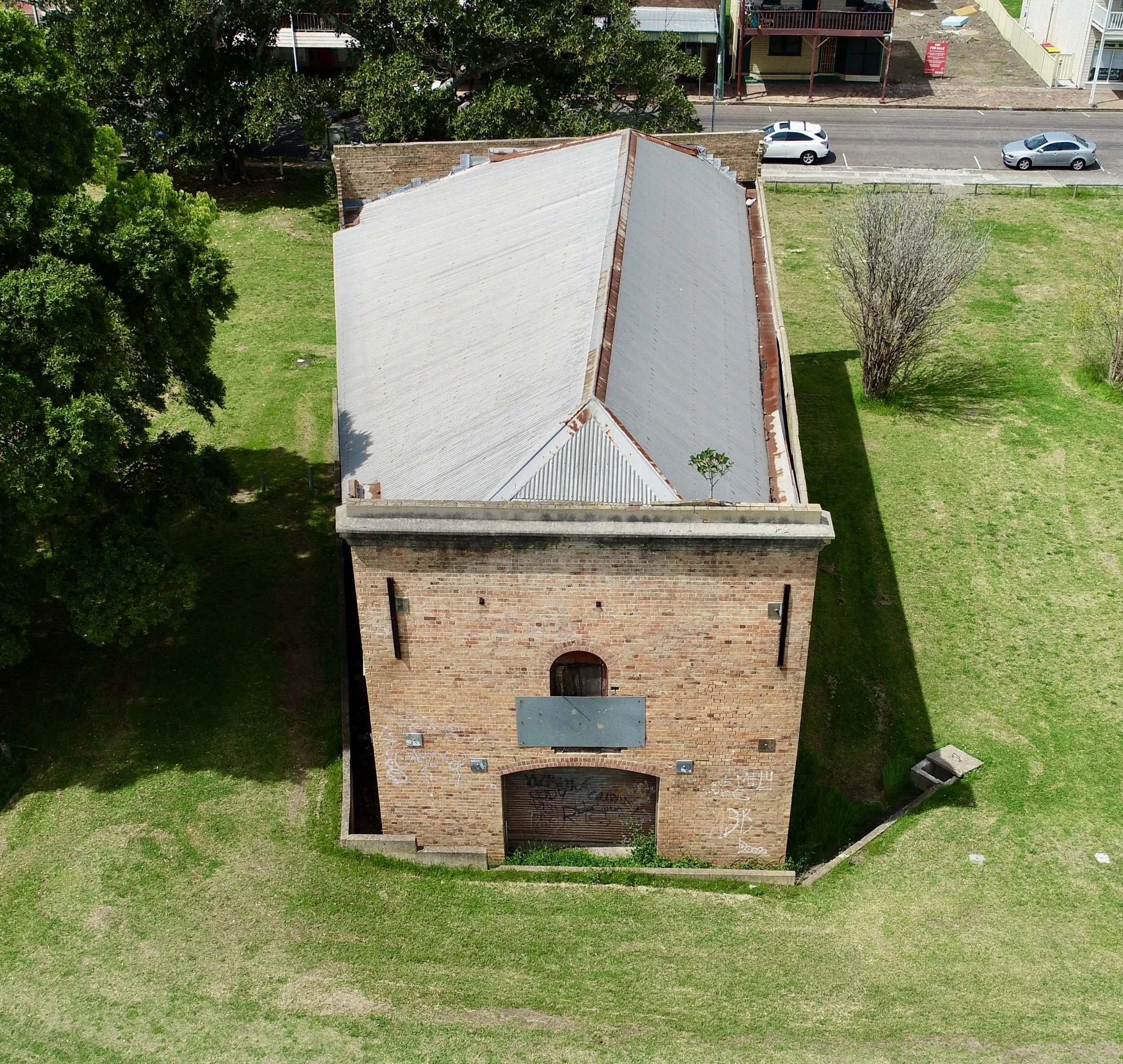
Conserving a heritage place requires both a thorough understanding of its significance and the practical expertise to guide appropriate works. Conservation architecture services bridge technical assessment and design, providing the knowledge and experience needed to manage existing fabric, inform restoration decisions, and adapt heritage places for contemporary use. A considered approach to conservation helps protect cultural values while supporting the long-term viability and ongoing use of a place.
-
Material assessment can be the first step in determining appropriate action in relation to the conservation of a heritage item. Assessment and methods of conservation can be required for individual items through to complete historical landscapes. Similarly, advice can vary depending on the scale of the project and the required outcomes. Work can include condition reports, a scope of work, treatment proposals and/or maintenance schedules.
-
Colour can be an important part of completing conservation works to a building or structure, enhancing the overall presentation of the place. It is often appropriate to undertake a paint scrape analysis of surfaces to determine the original colour scheme of a building or interior, as certain periods of architecture are associated with distinct colour schemes. Understanding the evolution of a building’s colour schemes provides valuable guidance for future colour selection.
-
Heritage places often require thoughtful adaptation to remain functional, relevant, and sustainable. Adaptive reuse considers how contemporary requirements can be integrated within historic sites, while respecting the significance, character, and fabric of a place. From strategic advice and feasibility investigations through to design development and project delivery, adaptive reuse can support the continued use of heritage places while ensuring their cultural values are understood, appropriately managed and protected.


Heritage Approvals
Navigating heritage approvals can be complex. Early advice helps identify approval requirements, documentation needs, and potential constraints, providing a clear pathway for project delivery. Understanding the approval process from the outset can help reduce risk, avoid unnecessary delays, and support more efficient project outcomes.
-
A Statement of Heritage Impact (SoHI) is a document required by local councils, usually to accompany a development application where the proposed development will potentially impact on a heritage item or a heritage conservation area. The document researches the history and assesses the significance of the place. The impact of the proposed development is then assessed based on the significance of the place. Aspects that both enhance the significance and detract from the significance are stated. The assessment of heritage impact is best commenced early in the project, as liaison throughout the design process helps to ensure a supportive report and a positive heritage outcome.
-
Many routine maintenance, repair and minor alteration works to heritage items can proceed without a full development application or approval where they meet the requirements of approval exemptions. We assist clients in determining whether proposed works qualify for exemptions, preparing supporting documentation, and liaising with heritage authorities where required. Early assessment can often simplify the approval process and help avoid unnecessary delays while ensuring that heritage significance is appropriately protected.
-
A Section 60 approval under the NSW Heritage Act is required for many works affecting places listed on the State Heritage Register. These applications require a clear understanding of the significance of the place, the nature of the proposed works, and their potential heritage impacts. We prepare and manage Section 60 applications, including supporting heritage assessments, conservation advice, and liaison with Heritage NSW. Early involvement allows heritage considerations to be integrated into project planning, helping to streamline the approval process and achieve practical conservation outcomes.

Heritage Compliance
Meeting heritage approval requirements is an important part of project delivery. Heritage compliance documentation assists in addressing approval conditions and demonstrating that heritage obligations have been appropriately managed.
-
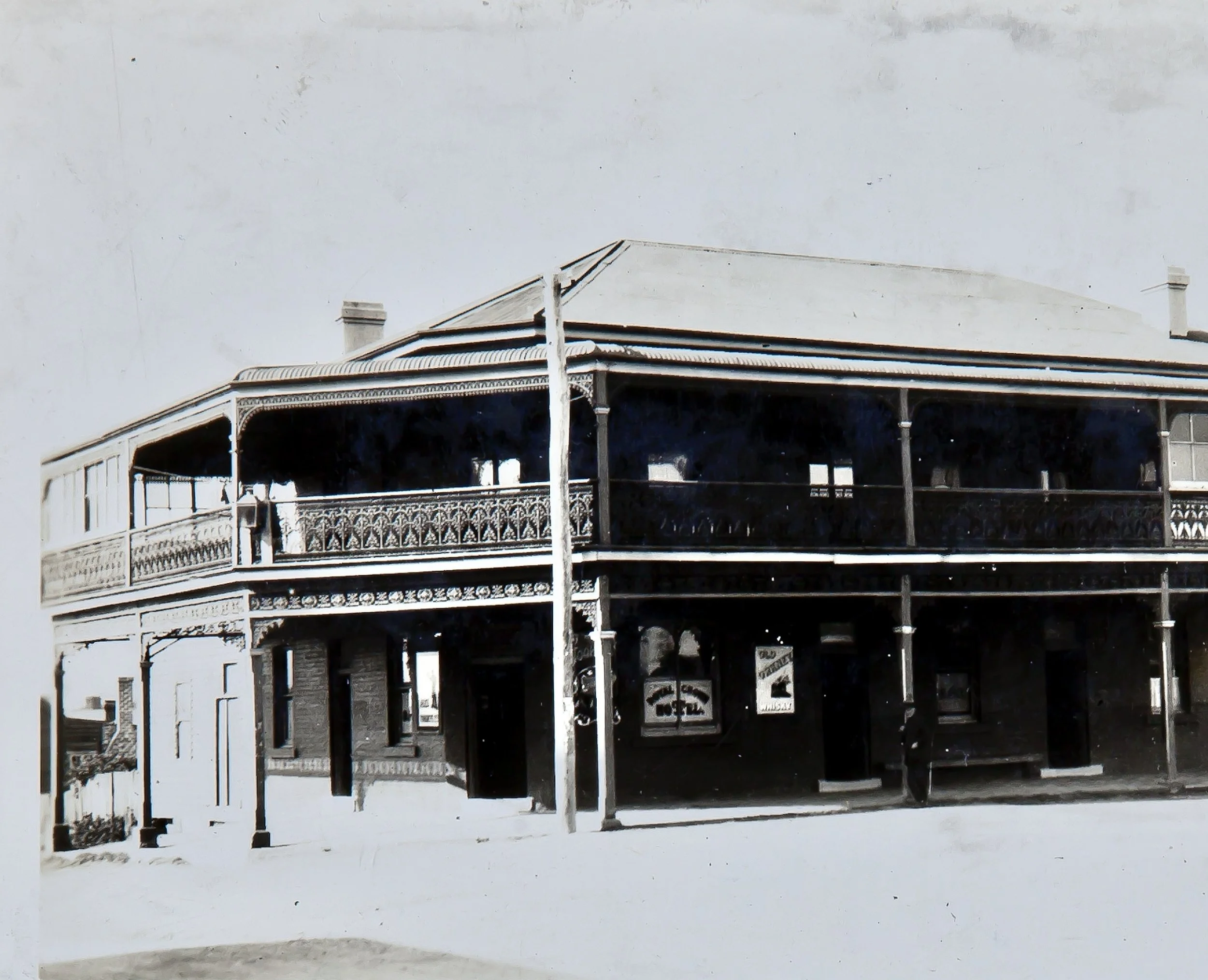
Archival recording provides a permanent record of a heritage place before change occurs. Commonly required where demolition or substantial alteration is proposed, it documents the building through measured drawings, photography and written records in accordance with NSW Heritage Council guidelines. Archival recording may also document conservation works as they progress, creating a valuable record of the building's evolution and the works undertaken.
-
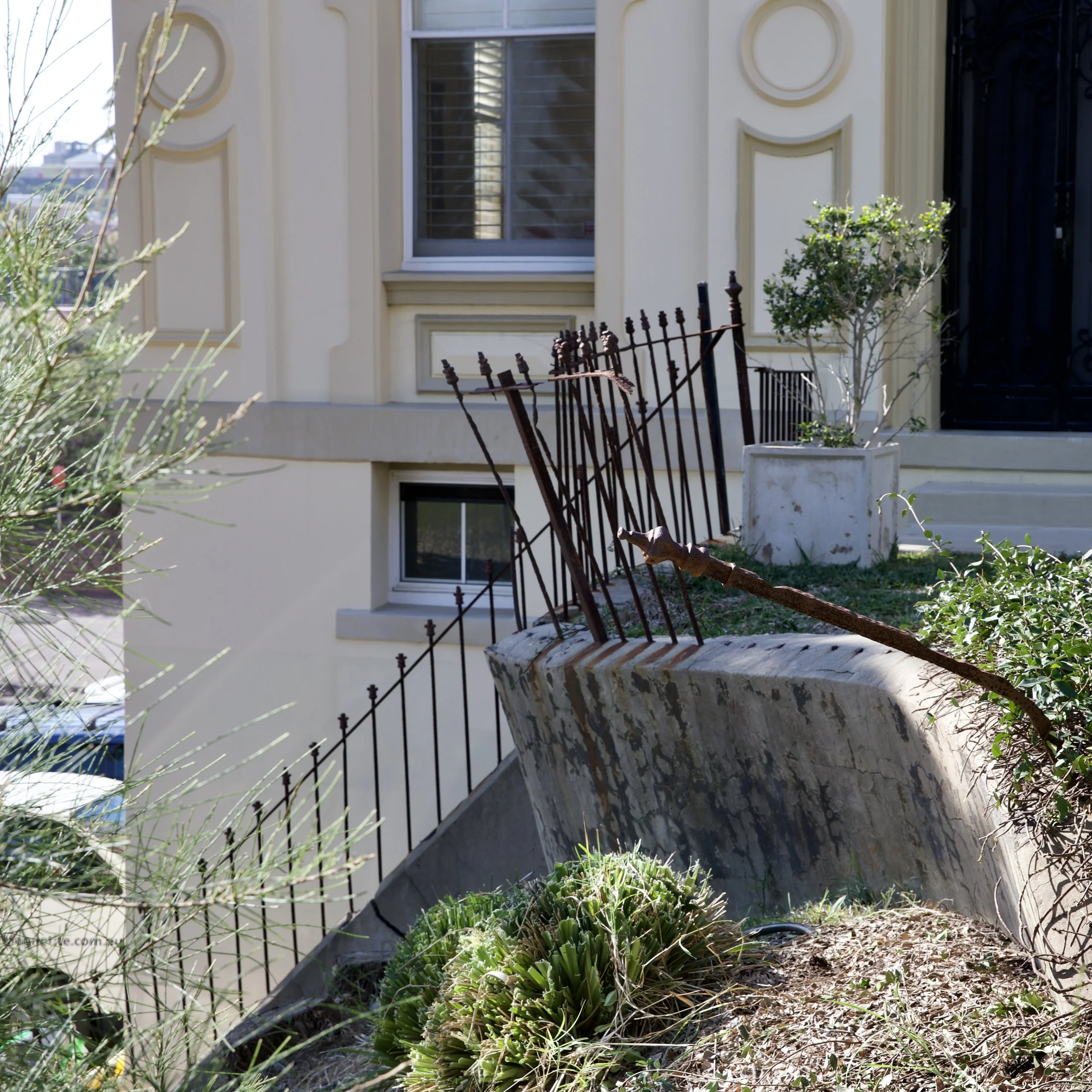
A Schedule of Conservation Works provides a clear framework for the conservation of significant built fabric. It records the condition of key building elements and recommends appropriate repair, restoration and reconstruction techniques to guide future works.
-
A Heritage Interpretation Plan provides a framework for communicating the history and heritage significance of a place. It identifies key themes, stories and audiences, and recommends appropriate interpretive methods such as signage, public art, digital media or displays to enhance public understanding and appreciation.
-
Heritage places often contain significant fabric, archaeological resources and conservation requirements that may not be immediately apparent to contractors and project teams. Heritage inductions provide site-specific guidance on the significance of a place, approved work methodologies, areas of sensitivity and procedures to follow if unexpected heritage fabric or archaeological remains are encountered. We deliver heritage inductions tailored to individual projects, helping ensure that all personnel understand their obligations and that works are undertaken in a manner that protects the heritage significance of the site.